
A DOCTORAL RESEARCHER FROM THE DEPARTMENT OF OPERATIONS MANAGEMENT SPOKE AT THE INTERNATIONAL PORT CO-INNOVATION CAFÉ EVENT AT THE UNIVERSITY OF ANTWERP
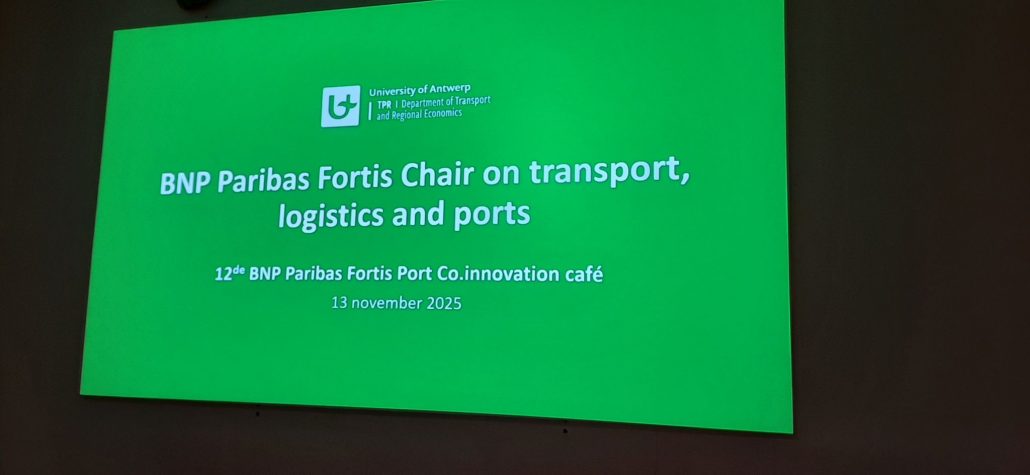
Mykhailo Kravchenko, a Doctor of Science (DSc) candidate in the Department of Operations Management at the Ukrainian State University of Railway Transport, took part in the prestigious international Port Co-Innovation Café event held at the University of Antwerp, with the participation of the Port of Antwerp-Bruges and the BNP Paribas Fortis Chair in Transport, Logistics & Ports.
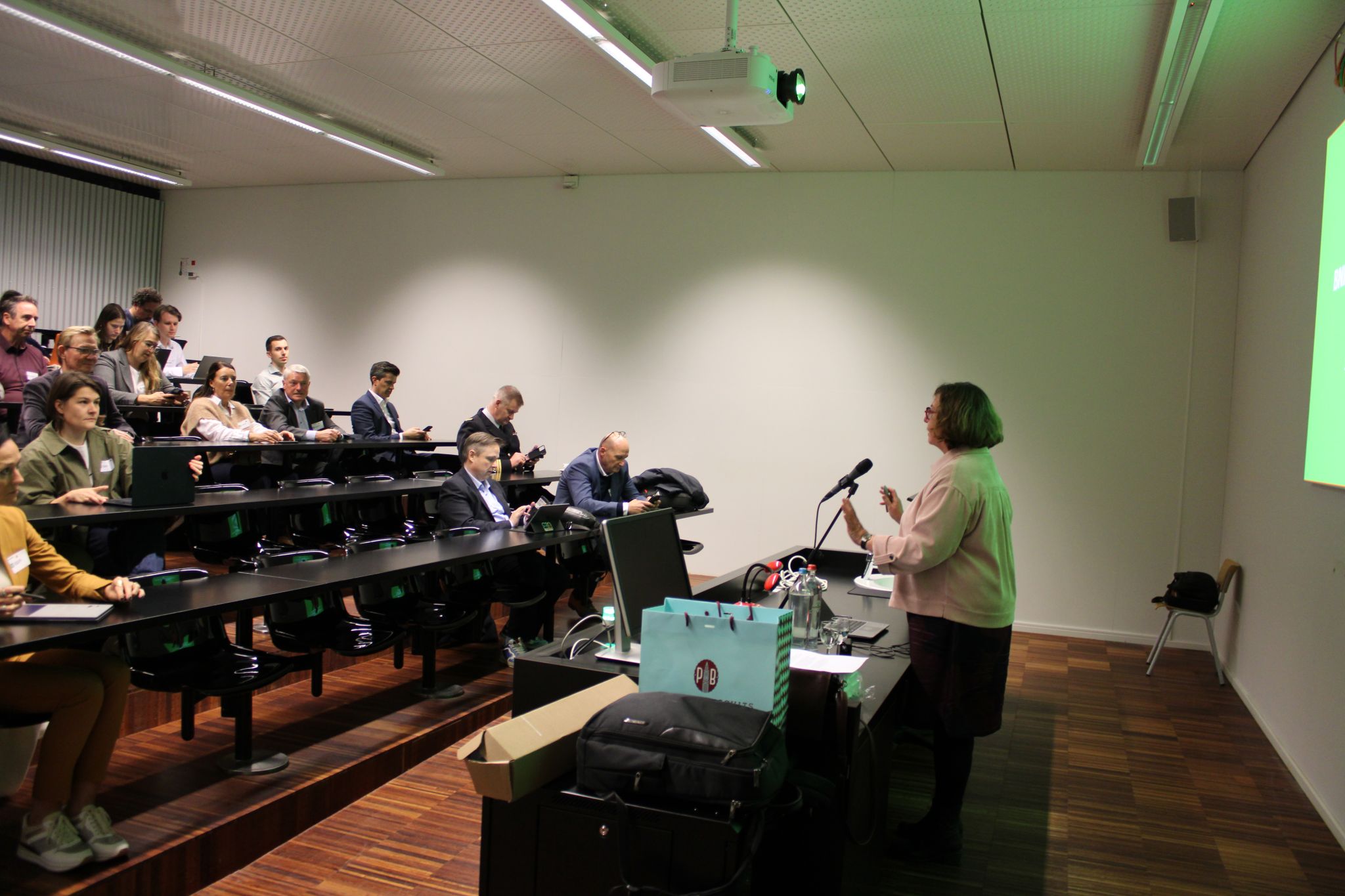
The event brought together experts in transport infrastructure, port services, shipping, logistics, cybersecurity and international transport technologies to discuss current challenges facing the EU, ranging from cyberattacks and drone threats to energy instability and vulnerabilities in supply chains.
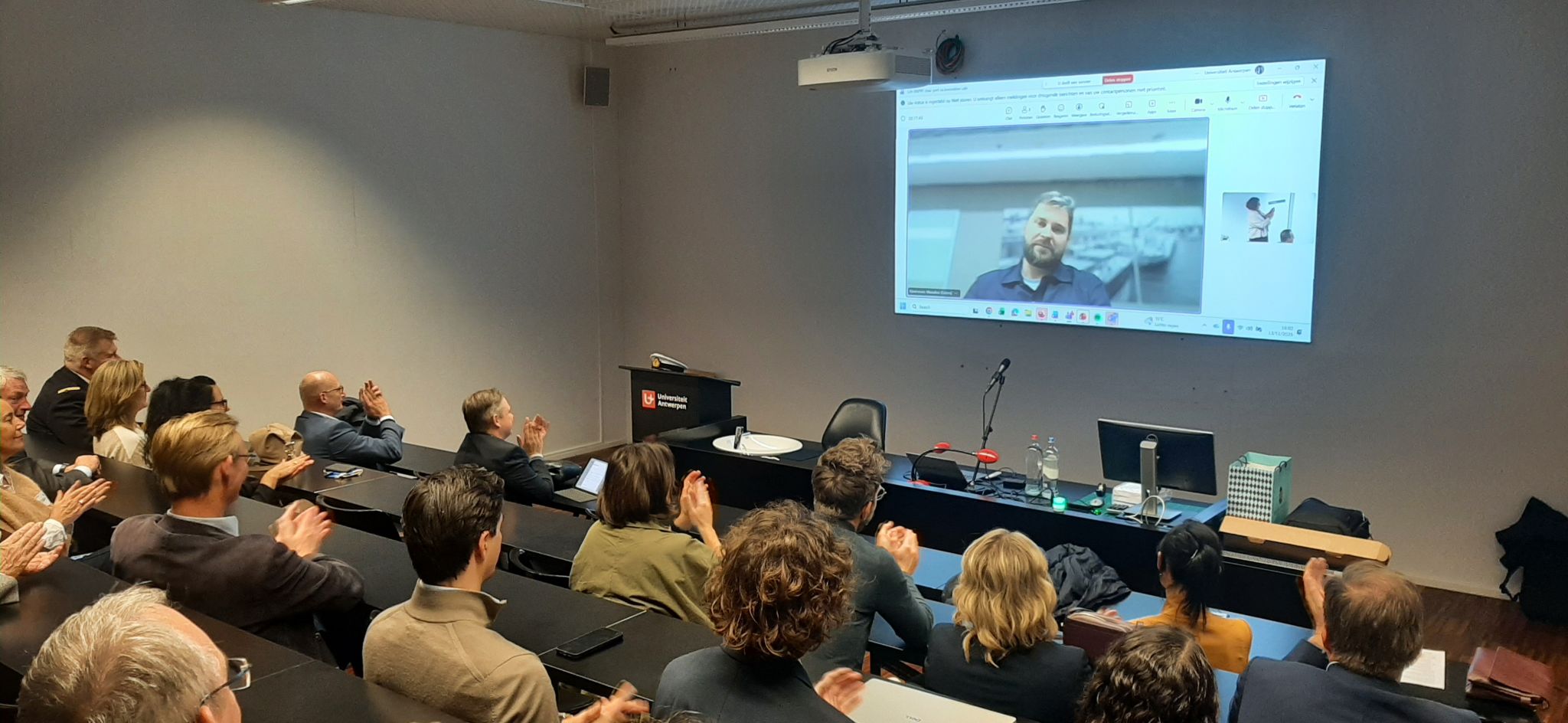
Within the Setting the Scene panel, PhD Mykhailo Kravchenko, a DSc candidate, shared Ukraine’s experience of sustaining operations in the realities of war. He emphasised that companies’ operational resilience depends on the speed of decision making, team autonomy, multi layered security systems, and active cooperation between business and carriers, public authorities and energy operators. Mykhailo’s contribution also prompted a unique simulation of a complete digital blackout, during which international participants tested whether their organisations could operate without digital infrastructure, as Ukrainian transport businesses are forced to do on a daily basis. This practical exercise demonstrated how critical crisis preparedness is, including the availability of back up systems, paper based procedures and autonomous management mechanisms. European partners highlighted the strong practical value of Ukraine’s experience, noting that strengthening the resilience of critical transport infrastructure and port ecosystems is now a shared priority that underpins the security of global supply chains and food stability worldwide.
USURT is proud of the active participation of its doctoral candidates in international professional discussions and of their contribution to shaping modern approaches to managing the resilience of international transport systems.